

Seasonal Spending Shifts: How Spring Into Summer Impacts Your Budget

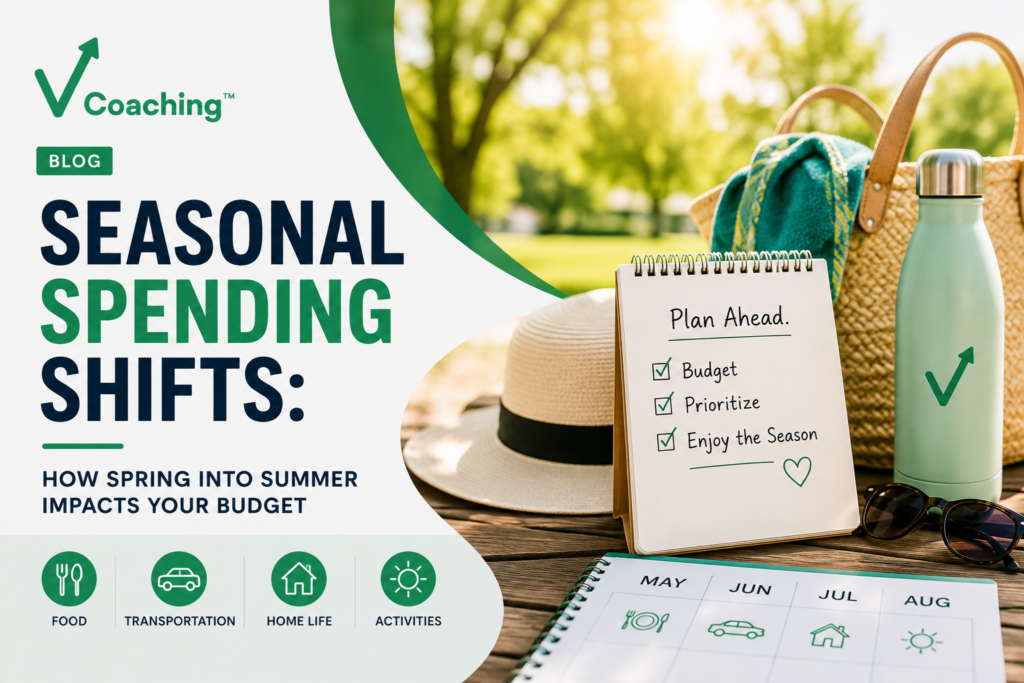
As winter fades and warmer weather arrives, spending habits naturally begin to change.
Spring and summer often bring more activities, travel, social events, home projects, and family expenses. While these seasons can be exciting, they also tend to create subtle financial shifts that many households don’t fully anticipate.
One extra trip here. More dining out there. Higher utility bills. Weekend activities. Summer camps. Vacation planning.
Individually, these expenses may not feel significant. But together, they can noticeably impact your monthly budget.
The good news is that seasonal spending increases are manageable when you plan ahead instead of reacting as costs appear.
Why Spending Changes in Warmer Months
Seasonal spending patterns happen for both practical and emotional reasons.
Warmer weather naturally encourages people to:
- Leave the house more often
- Travel and socialize
- Start outdoor projects
- Participate in seasonal activities
At the same time, children are often out of school, schedules become less structured, and routines shift.
These changes create more opportunities for spending—sometimes without us even noticing.
Food Spending Often Increases
One of the first areas many households notice changing is food spending.
During spring and summer, people often spend more on:
- Dining out
- Weekend activities
- Road trip snacks
- Barbecues and gatherings
- Convenience foods during busy schedules
Longer days and more social events naturally lead to more meals away from home.
While enjoying the season is important, these costs can add up quickly if they aren’t planned for intentionally.
One helpful strategy is creating a specific “seasonal food” category in your budget.
This allows flexibility without losing control.
Transportation Costs Rise
Transportation expenses also tend to increase during warmer months.
Families may drive more frequently for:
- Sports and activities
- Day trips
- Vacations
- Camps and childcare transportation
Increased driving often means:
- Higher gas expenses
- More vehicle maintenance
- Increased wear and tear
Planning routes efficiently, combining errands, and budgeting for fuel ahead of time can help reduce surprises.
Home Expenses Shift Too
Spring and summer often trigger home-related spending.
Some common examples include:
- Landscaping and gardening
- Patio or outdoor furniture
- Home improvement projects
- Increased electricity usage from air conditioning
These seasonal projects can improve quality of life, but they can also strain budgets when done impulsively.
Creating a prioritized list before spending helps separate true needs from emotional purchases.
Planning for Summer Activities
For families, summer can become one of the most expensive times of the year.
Expenses may include:
- Summer camps
- Childcare adjustments
- Sports registration fees
- Family vacations
- Entertainment and activities
Without planning, these costs often end up on credit cards.
Instead, try estimating expected summer expenses early in the season and building a temporary savings category specifically for summer spending.
Small weekly contributions can reduce the financial pressure significantly.
Avoiding the “Vacation Mindset” Trap
One common financial challenge during summer is the “vacation mindset.”
People often loosen spending habits during warmer months because the season feels temporary or celebratory.
While enjoying life is important, consistently abandoning financial structure for several months can create setbacks later in the year.
The goal is balance—not restriction.
You can absolutely enjoy travel, activities, and seasonal experiences while still staying aligned with your financial goals.
Intentional spending creates freedom.
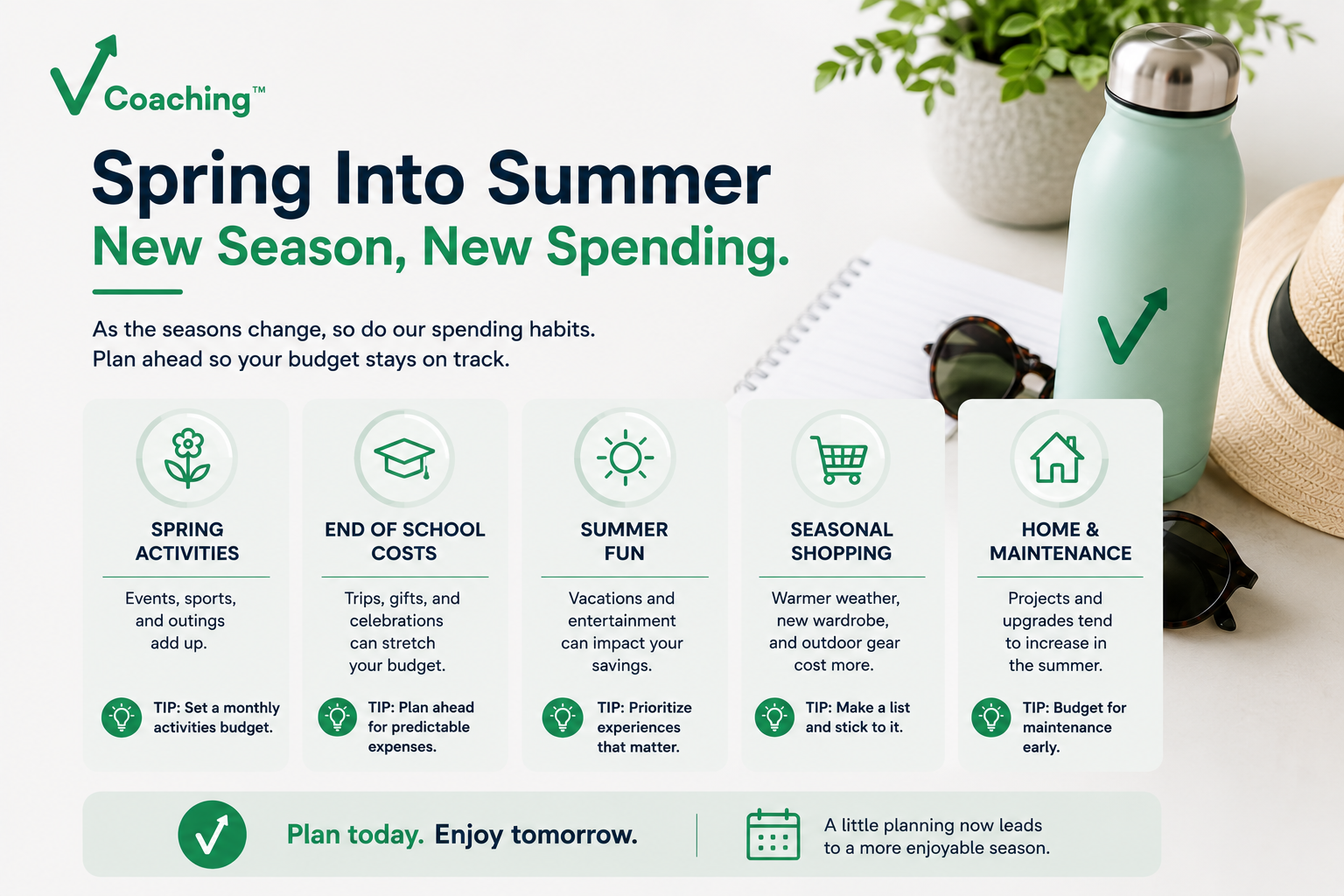
Preparing Before Costs Arrive
One of the most effective financial habits is planning for expenses before they happen.
Instead of reacting to rising seasonal costs, ask yourself:
- What expenses usually increase during summer?
- Which activities are priorities this year?
- What can we plan for in advance?
Awareness creates control.
Even small adjustments—like setting aside money early, reducing impulse purchases, or planning meals more intentionally—can make seasonal spending feel manageable instead of stressful.
Final Thoughts
Spring and summer often bring some of the best moments of the year—vacations, gatherings, activities, and more time spent enjoying life.
But they also bring natural shifts in spending that can quietly affect your financial stability if left unplanned.
By anticipating seasonal expenses, adjusting your budget intentionally, and staying aware of changing habits around food, transportation, and home spending, you can enjoy the season without creating unnecessary financial stress.
The goal is not to avoid spending altogether.
It’s to make sure your money supports the life you want to enjoy—both this season and long-term.
Written by Nichole Olds,
May 2026




This year our planting was delayed due to my husband having surgery and my health issues. Purchasing new plants changed to expanding older ones. Very cost effective.
I travel every summer, to visit with my family. It’s extra gas money. I have been doing it for years. I plan for it all years long. I didn’t plan for car troubles. That was a set back this year. I work for 10 months . Have 2 months off in the summer so I travel to see family. I don’t have to pay for room and board once I get there. I still have my regular bills to pay. It’s very hard and stressful. It’s the only way I can see my family.